
Window Treatments
Proudly serving Easton, Clinton, Phillipsburg, and surrounding communities across the Lehigh Valley and beyond.
Overview of Window Treatment Design and Selection
Window treatments provided by Audra Finishes and Design in Easton, PA focus on the planning, selection, and integration of custom drapery, blinds, and shades as part of a cohesive interior environment. This service is centered on aligning window coverings with architectural features, lighting conditions, and overall interior design direction within residential spaces.
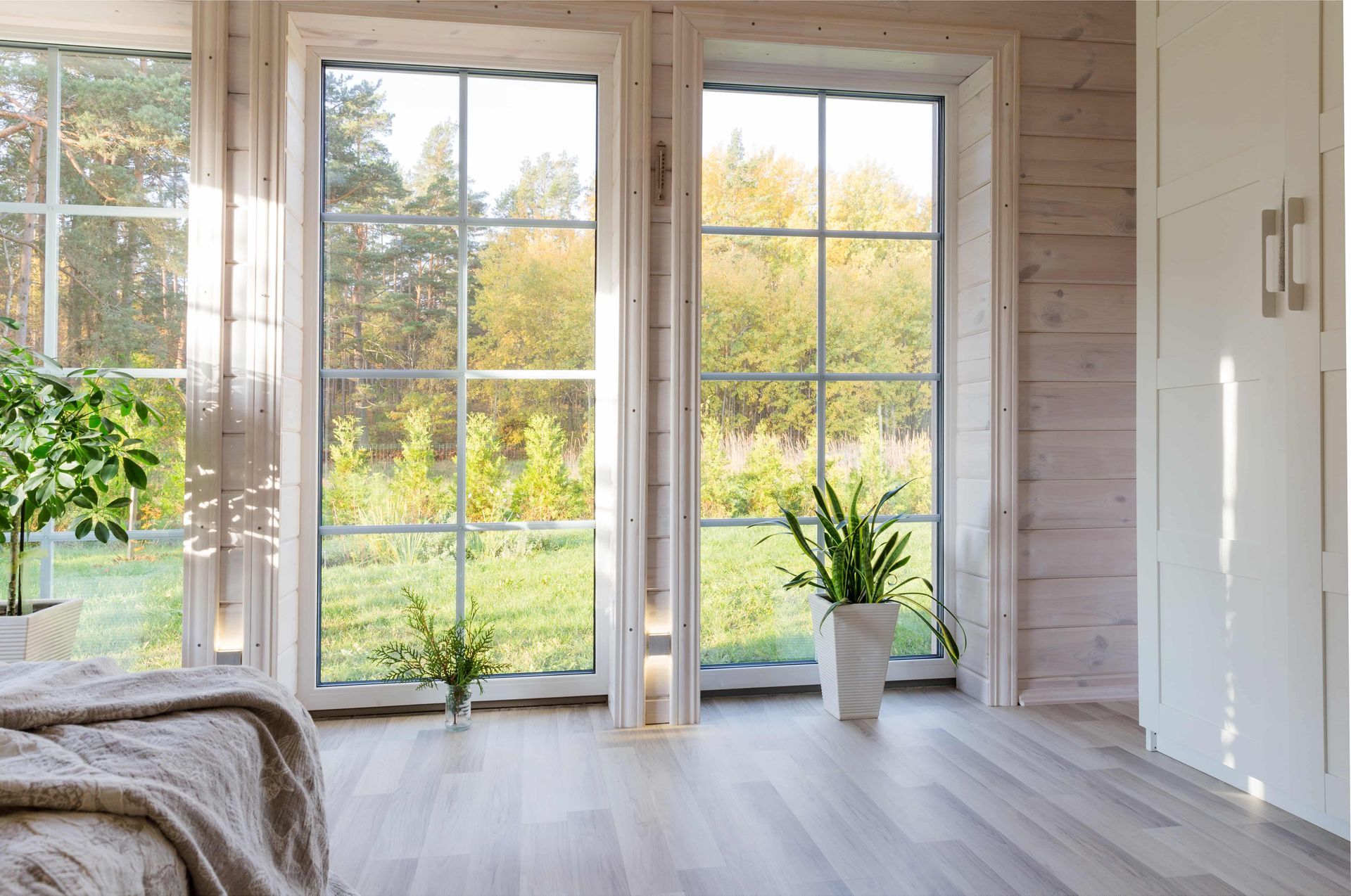
In Easton, PA homes, window treatments often play a significant role due to the diversity of architectural styles, ranging from historic homes with detailed trim work to modern residences with large-scale glass openings. Each property requires a tailored approach to ensure that window coverings function properly within the structure while maintaining visual consistency with the surrounding interior design.
The process involves evaluating window dimensions, exposure to natural light, privacy requirements, and material compatibility before selecting or designing appropriate treatment solutions.
Custom Drapery Design and Fabric Planning
Custom drapery is a key component of window treatment design, offering both functional coverage and architectural enhancement within interior spaces.
Fabric Selection and Material Composition
Fabric selection is guided by how the material interacts with light, movement, and room acoustics. Heavier fabrics may be used to create structured visual framing, while lighter materials allow for softness and natural light diffusion. In Easton, PA homes, fabric choice is often influenced by seasonal lighting changes and the architectural character of the space.
Drapery Length, Fullness, and Structural Flow
Drapery design includes decisions regarding length, fullness, and placement relative to the window frame. These elements influence how the fabric falls within the space and how it connects visually to ceiling height, wall proportions, and flooring materials.
Layering Techniques for Light and Privacy Control
Custom drapery is often layered with additional window treatments to balance privacy and light control. This may include combinations of sheer panels and heavier drapery to allow flexibility throughout different times of day.
Blinds Selection and Functional Window Coverage
Blinds provide a structured and adjustable window treatment solution focused on light control, privacy, and minimal visual interruption within a space.
Material Types and Finish Options
Blinds are available in a range of materials that influence both durability and appearance. Wood, faux wood, aluminum, and composite materials each interact differently with interior lighting and surrounding finishes.
Light Control and Angle Adjustment Functionality
One of the primary functions of blinds is adjustable light control. The ability to tilt slats allows for precise management of natural light entering a room, which is particularly relevant in spaces with direct sun exposure common in Easton, PA residential layouts.
Integration with Interior Trim and Window Frames
Blinds are evaluated in relation to existing trim, casing, and window proportions. Proper integration ensures that the treatment aligns cleanly with architectural elements rather than appearing visually separate from the structure.
Shade Systems and Soft Window Treatment Options
Shades offer a streamlined and versatile window covering solution that combines visual simplicity with functional light control.
Roller Shades and Minimalist Design Applications
Roller shades provide a clean, minimal appearance and are often used in modern or transitional interiors. Their design allows them to retract fully when not in use, maintaining an unobstructed window view.
Roman Shades and Structured Fabric Treatments
Roman shades introduce fabric-based softness with structured folds when raised. These treatments are commonly used in spaces where decorative detail and fabric texture are part of the overall interior design direction.
Light Filtering and Blackout Shade Considerations
Shade materials are selected based on desired light control levels. Light filtering options allow diffused natural light into a room, while blackout shades are used in spaces requiring reduced light exposure such as bedrooms or media areas.
Measurement, Fit, and Installation Planning
Accurate measurement and installation planning are essential to ensure that window treatments function correctly and align with architectural proportions.
Window Dimension Assessment and Structural Evaluation
Each window is evaluated individually to determine exact dimensions, depth, and frame structure. This ensures that treatments are properly scaled and installed within the existing architectural constraints of the home.
Mounting Style and Placement Considerations
Mounting options are determined based on window structure and design intent. Treatments may be mounted inside the frame for a recessed appearance or outside the frame to create a more expansive visual effect.
Installation Coordination and Final Placement Alignment
Installation planning ensures that all treatments are aligned consistently across multiple windows within a space. This is especially important in rooms with repeated window patterns or open-concept layouts.
Window Treatment Integration with Interior Design
Window treatments are designed to function as part of the overall interior environment rather than as standalone elements.
Coordination with Color and Material Palettes
Fabric, finish, and material selections are aligned with existing interior color schemes and surface materials. This ensures that window treatments support rather than compete with the surrounding design elements.
Spatial Balance and Architectural Proportion Alignment
Window coverings are evaluated in relation to ceiling height, wall proportions, and furniture placement. Proper scaling ensures visual balance within each room.
Room Function and Environmental Requirements
Different rooms require different levels of light control and privacy. Living spaces, bedrooms, kitchens, and office areas are each considered individually when selecting appropriate treatment types.
Window Treatment Services, Proudly serving Easton, Clinton, Phillipsburg, and surrounding communities across the Lehigh Valley and beyond.
Homes in Easton, PA often present a mix of architectural styles that influence how window treatments are designed and installed.
Historic homes may require custom solutions that align with existing trim details and window shapes, while newer homes often focus on clean lines and functional simplicity. In both cases, window treatments are tailored to support the architectural identity of the space.
Custom drapery, blinds, and shades are selected not only for their appearance but for how they function within the daily use of the home, ensuring that light, privacy, and visual continuity are properly balanced.
Scheduling Window Treatment Consultation
Proudly serving Easton, Clinton, Phillipsburg, and surrounding communities across the Lehigh Valley and beyond.
Scheduling a window treatment consultation with Audra Finishes and Design in Easton, PA involves a structured review of windows, interior style direction, and functional requirements for each space.
Consultations may be conducted in-home or virtually depending on project scope and accessibility. In-home sessions allow for direct measurement and evaluation of natural light conditions, while virtual sessions rely on visual documentation and guided walkthroughs.
Each consultation focuses on developing a tailored window treatment plan that aligns with both the architectural structure of the home and the intended interior design direction, ensuring cohesive integration across all selected spaces.