
Window Coverings
Proudly serving Easton, Clinton, Phillipsburg, and surrounding communities across the Lehigh Valley and beyond.
Overview of Window Covering Design and Planning
Window coverings offered by Audra Finishes and Design in Easton, PA focus on the selection, coordination, and integration of functional and decorative solutions for managing light, privacy, and interior aesthetics. This service includes a range of treatments such as drapery, blinds, and shades, all planned to align with the architectural structure and interior design direction of the home.
In Easton, PA, window coverings are often a key design component due to the variety of residential styles found throughout the area. Historic homes may feature tall, uniquely shaped windows with detailed trim work, while newer homes may include expansive glass openings that require layered light control solutions. Each window covering plan is developed based on these architectural conditions and the specific needs of the space.
The process focuses on ensuring that window coverings function effectively while contributing to the overall visual cohesion of the interior environment.
Functional Role of Window Coverings in Interior Spaces
Window coverings serve both practical and design-oriented purposes within residential interiors, influencing comfort, usability, and visual balance.
Light Regulation and Environmental Control
One of the primary functions of window coverings is controlling the amount of natural light entering a space. Different rooms require varying levels of light exposure depending on their use, orientation, and time of day. In Easton, PA homes, where seasonal lighting changes are noticeable, this control becomes an important part of interior comfort planning.
Privacy Management Across Different Room Types
Privacy needs vary significantly between spaces such as bedrooms, living areas, bathrooms, and home offices. Window coverings are selected to provide appropriate privacy levels without compromising natural light or design continuity within the home.
Temperature and Energy Considerations
Certain window covering materials can contribute to temperature regulation by reducing heat gain in summer and heat loss in colder months. This functional aspect is considered during planning, especially in homes with large or older window structures.
Design Coordination and Interior Integration
Window coverings are designed to work as part of the overall interior environment rather than as isolated elements.
Material Coordination with Interior Finishes
Fabric, texture, and finish selections are evaluated in relation to flooring, wall colors, cabinetry, and furniture. This ensures that window coverings align visually with the broader material palette of the home.
Visual Weight and Spatial Balance
Window coverings influence how a room feels in terms of scale and proportion. Heavier treatments may add visual grounding to a space, while lighter treatments can maintain openness and airiness. These effects are considered in relation to ceiling height and room dimensions.
Architectural Feature Alignment
Window coverings are planned around existing architectural details such as molding, casing, and window shape. Proper alignment ensures that treatments enhance rather than obscure architectural character.
Types of Window Coverings and Application Methods
Different types of window coverings are used depending on functional requirements and design direction.
Drapery-Based Window Coverings
Fabric drapery is used to introduce softness, texture, and vertical movement within a space. It can be designed for full coverage or decorative framing depending on privacy and light control needs.
Blind Systems for Adjustable Light Control
Blinds provide structured and adjustable light management through tilting or lifting mechanisms. They are often selected for spaces requiring frequent light adjustment throughout the day.
Shade-Based Covering Solutions
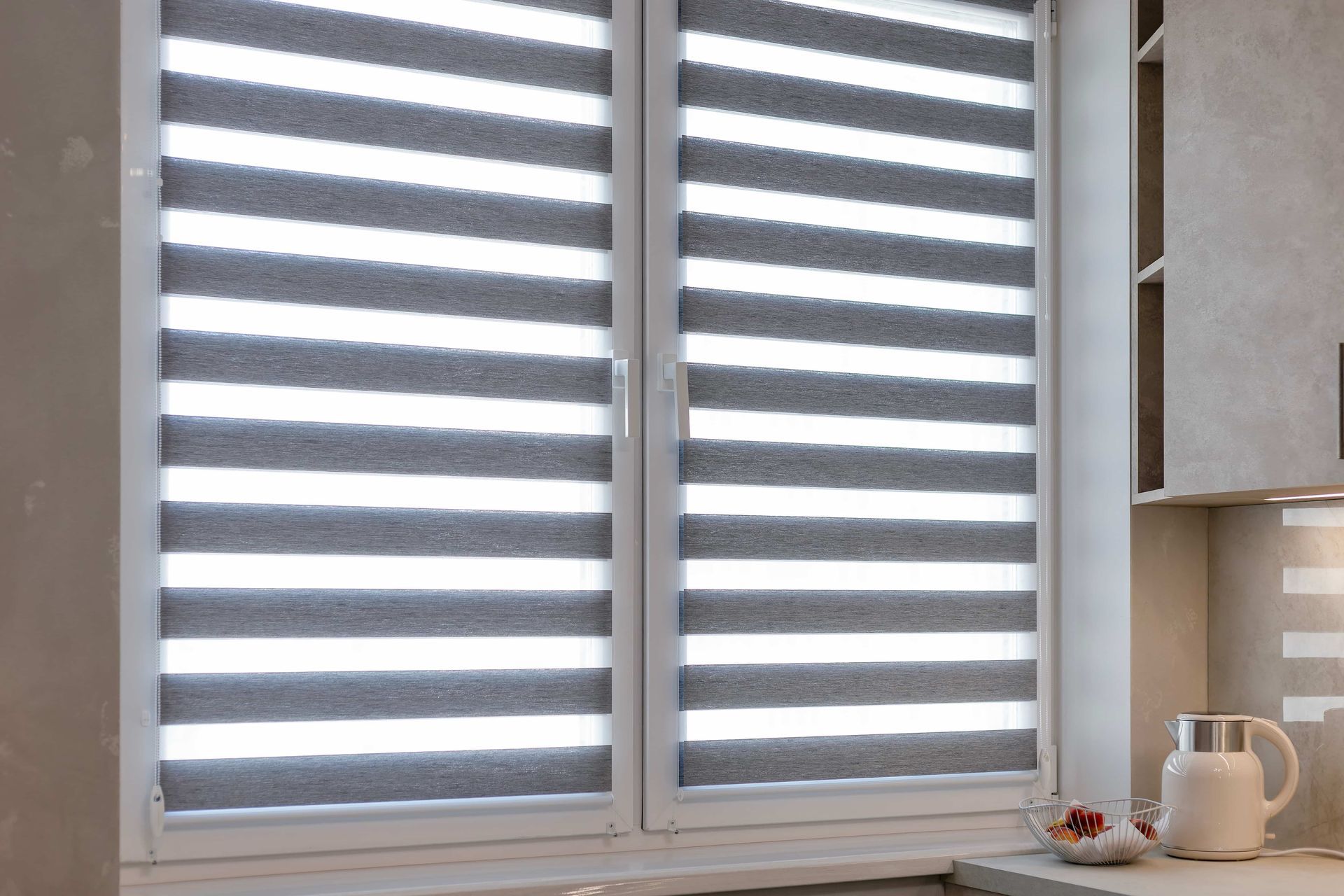
Shades offer a streamlined appearance with varying levels of opacity, from light-filtering to blackout options. They are commonly used in spaces where a clean, minimal aesthetic is desired alongside functional coverage.
Measurement, Fit, and Installation Planning
Proper planning of measurements and installation methods is essential to ensure window coverings function correctly and align with architectural proportions.
Window Dimension Assessment and Evaluation
Each window is individually assessed for height, width, depth, and structural framing. This ensures that coverings are accurately sized and properly proportioned within each space.
Mounting Position and Placement Strategy
Window coverings may be mounted inside or outside the window frame depending on design intent and structural conditions. This decision impacts both visual appearance and functional performance.
Consistency Across Multiple Window Installations
In rooms with multiple windows, consistency in height, spacing, and alignment is carefully planned to create a cohesive visual presentation across the entire space.
Window Coverings in Easton, PA Residential Design
Homes in Easton, PA often feature diverse architectural characteristics that influence how window coverings are planned and installed.
Historic Residential Window Planning
Older homes may require custom solutions to accommodate unique window shapes, original trim details, and non-standard dimensions. Window coverings in these settings are designed to respect architectural integrity while improving functionality.
Modern Home Coverage Solutions
Contemporary homes often prioritize clean lines and minimal visual interruption. Window coverings in these spaces are typically designed to blend seamlessly into the architecture while providing effective light and privacy control.
Transitional and Mixed-Style Interiors
Many homes in Easton feature a combination of traditional and modern design elements. Window covering solutions in these environments focus on balancing decorative detail with functional simplicity.
Scheduling Window Covering Consultation
Proudly serving Easton, Clinton, Phillipsburg, and surrounding communities across the Lehigh Valley and beyond.
Scheduling a window covering consultation with Audra Finishes and Design in Easton, PA involves a structured review of window dimensions, lighting conditions, and interior design direction.
Consultations may take place in-home or virtually depending on project needs. In-home sessions allow for direct measurement and evaluation of natural light exposure, while virtual sessions rely on visual documentation and guided walkthroughs of the space.
The consultation process focuses on developing a clear and functional window covering plan that aligns with both architectural conditions and interior design goals, ensuring that each treatment supports the overall structure and usability of the home.