
Client Needs Analysis
Proudly serving Easton, Clinton, Phillipsburg, and surrounding communities across the Lehigh Valley and beyond.
Overview of Client Needs Analysis and Vision Planning
Client needs analysis and vision planning provided by Audra Finishes and Design in Easton, PA is a structured interior design service focused on translating client goals, lifestyle requirements, and spatial challenges into a clear and actionable design direction. This service serves as an early-stage planning framework that defines what a project needs to accomplish before any design work or material selection begins.
Rather than focusing on finished aesthetics alone, this process examines how a space must function, what emotional or visual direction is desired, and how existing conditions of the home influence design possibilities. In Easton, PA, where homes vary from historic structures to modern renovations, this planning phase is essential for aligning design intent with architectural reality.
The result of this process is a clear vision framework that guides all future design decisions in a structured and intentional way.
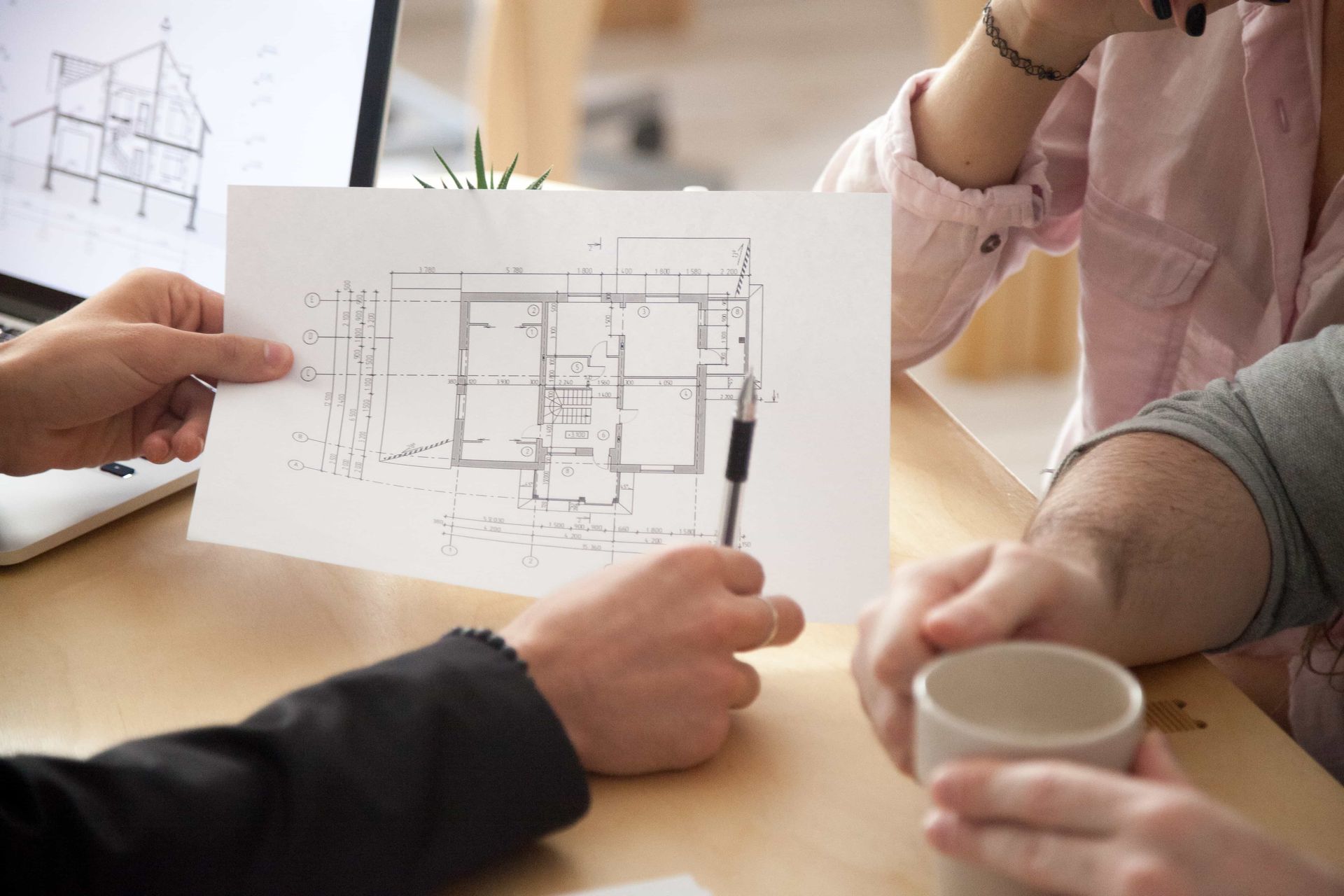
Understanding Client Goals and Design Intent
The first stage of client needs analysis focuses on understanding the goals behind the project and how the client envisions their space evolving.
Personal Vision and Aesthetic Direction
The discussion begins with exploring the client’s overall vision for their home. This includes identifying preferred design styles, emotional tone, and general atmosphere they want the space to reflect.
The emphasis is placed on understanding not just visual preference, but the feeling and experience the space should create once completed.
Functional Expectations and Daily Use Requirements
Attention is given to how each space is expected to function on a day-to-day basis. This includes reviewing how rooms are currently used and how that usage may need to change to better support lifestyle needs.
The goal is to ensure that design direction aligns with practical living requirements.
Project Motivation and Outcome Expectations
Understanding why the project is being undertaken helps define priorities. Whether the goal is renovation, modernization, reorganization, or lifestyle adjustment, these motivations shape the structure of the design approach.
Spatial Evaluation and Existing Condition Review
A key part of vision planning involves evaluating the current state of the home and how it supports or limits the intended design direction.
Room Structure and Layout Assessment
Each relevant space is reviewed in terms of layout, size, and connection to other areas of the home. This helps identify structural strengths and limitations that may impact design planning.
Architectural Features and Fixed Elements
Existing architectural details such as windows, doors, ceiling height, and built-in elements are considered in relation to how they influence design possibilities.
These fixed elements often guide the direction of layout planning and spatial reconfiguration.
Current Flow and Usability Patterns
The way individuals move through and interact with the home is analyzed to understand how well the current layout supports daily routines. Areas of inefficiency or disruption are identified during this stage.
Vision Development and Design Direction Structuring
Once needs and conditions are understood, the focus shifts to building a structured design vision that guides future decision-making.
Conceptual Design Direction Definition
A clear design direction is established based on client input and spatial analysis. This includes defining whether the project leans toward modern updates, transitional refinement, traditional restoration, or blended design approaches.
Spatial Priority Mapping and Focus Areas
Key areas of focus within the home are identified to determine where design attention should be concentrated first. This ensures that the most important spaces receive appropriate planning priority.
Design Consistency and Flow Planning
Vision planning includes establishing consistency across different rooms and areas of the home. This ensures that design decisions do not exist in isolation but contribute to a unified interior experience.
Integration of Lifestyle and Design Functionality
Client needs analysis incorporates lifestyle factors to ensure that the design vision supports how the home is actually used.
Household Structure and Occupancy Considerations
The number of occupants and household structure are considered when developing design direction. Multi-use spaces, private areas, and shared zones are structured accordingly.
Daily Activity Mapping Within the Home
Routine activities such as cooking, working, relaxing, and entertaining are mapped to understand how each space contributes to daily life.
This helps ensure that design planning supports natural movement and activity flow.
Flexibility and Future Use Planning
Vision planning also considers how the home may need to adapt over time. Flexible design strategies are incorporated to accommodate potential changes in lifestyle or household structure.
Client Needs Analysi, Proudly serving Easton, Clinton, Phillipsburg, and surrounding communities across the Lehigh Valley and beyond.
Homes in Easton, PA present a variety of architectural conditions that directly influence vision planning and design development.
Historic Home Planning Considerations
Older homes often require careful analysis of existing structure and layout to determine how modern functionality can be integrated without compromising architectural integrity.
Modern Home Design Structuring
Contemporary homes may require refinement in layout efficiency and spatial zoning to better support daily living patterns and aesthetic cohesion.
Renovation and Redesign Project Alignment
For renovation projects, vision planning ensures that design direction is aligned with construction feasibility and existing structural conditions before work begins.
Scheduling Client Needs Analysis and Vision Planning
Proudly serving Easton, Clinton, Phillipsburg, and surrounding communities across the Lehigh Valley and beyond.
Scheduling a client needs analysis and vision planning session with Audra Finishes and Design in Easton, PA involves a structured consultation focused on defining project direction and understanding spatial requirements.
These sessions may be conducted in-home or virtually depending on project scope and accessibility. In-home sessions allow for direct observation of the space, while virtual sessions rely on visual documentation and client-led walkthroughs.
The purpose of this service is to establish a clear, structured design vision that guides all subsequent stages of the interior design process, ensuring that every decision is grounded in both functional requirements and intended design direction.