
Lifestyle-Based Design
Proudly serving Easton, Clinton, Phillipsburg, and surrounding communities across the Lehigh Valley and beyond.
Overview of Lifestyle-Based Interior Design Solutions
Lifestyle-based design offered by Audra Finishes and Design in Easton, PA is a personalized interior design service focused on shaping residential spaces around the way individuals and households actually live, move, and use their environments. Rather than approaching design solely from a visual standpoint, this service prioritizes functionality, daily routines, and spatial behavior within the home.
In Easton, PA, homes often reflect a mix of historic layouts, updated renovations, and modern additions, which can create unique challenges in how spaces support everyday living. Lifestyle-based design addresses these challenges by aligning interior planning with practical use patterns, ensuring that each room supports its intended purpose without unnecessary complexity or inefficiency.
The process involves evaluating how occupants interact with their environment and translating those behaviors into structured design solutions that improve flow, usability, and spatial comfort.
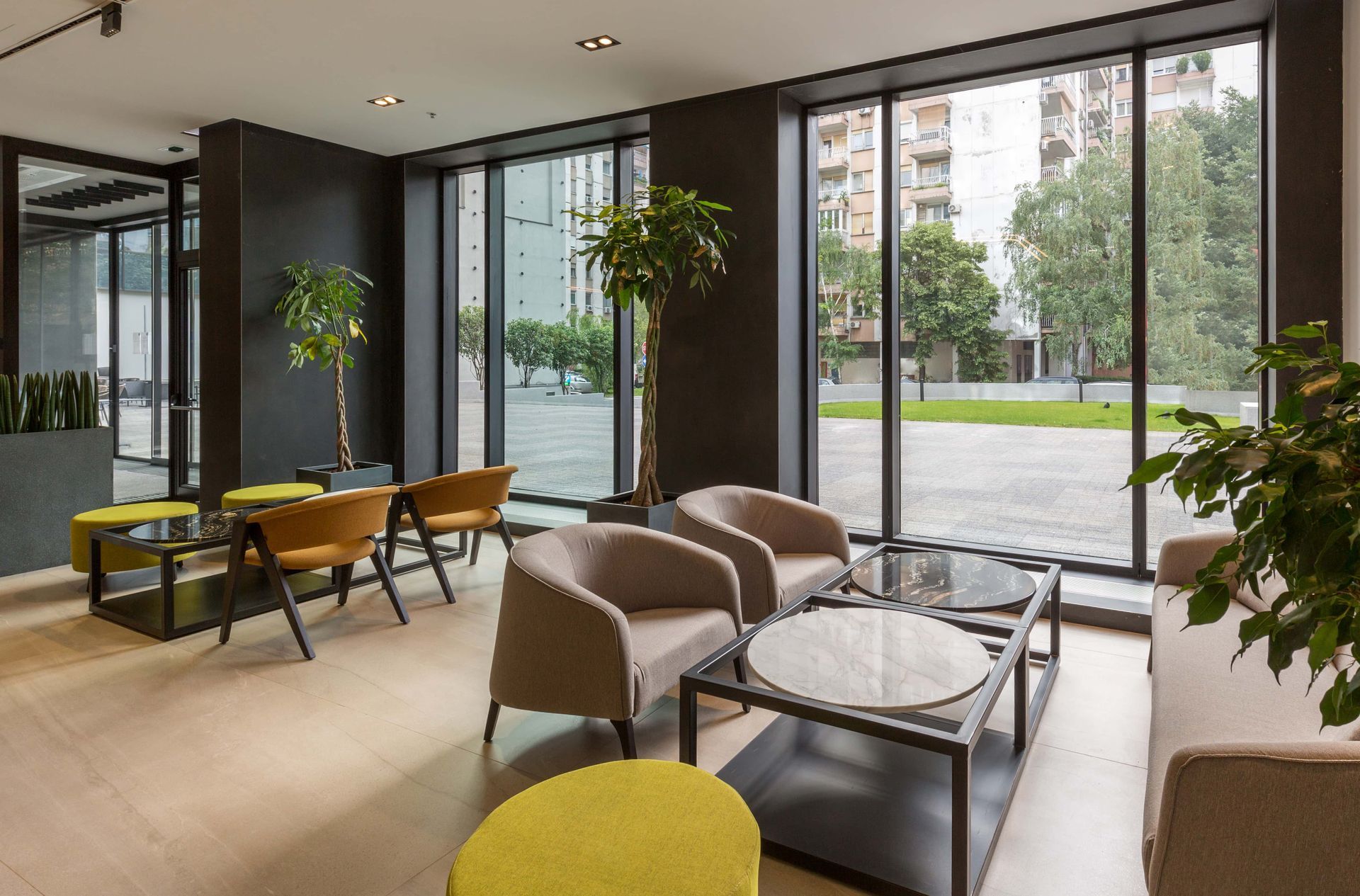
Understanding Daily Living Patterns and Spatial Behavior
The foundation of lifestyle-based design is a detailed understanding of how individuals and families move through and use their home on a daily basis.
Household Routine and Movement Flow Analysis
Daily routines are reviewed to understand how different areas of the home are used throughout the day. This includes observing movement between spaces such as kitchens, living areas, bedrooms, and transitional zones.
The goal is to identify how efficiently the home supports these routines and where adjustments may improve overall flow and accessibility.
Functional Use of Individual Rooms
Each room is evaluated based on its actual usage rather than its intended label. Spaces such as formal dining rooms, unused guest rooms, or multi-purpose areas are reassessed to determine how they can better support current lifestyle needs.
This evaluation helps reassign function to underutilized areas in a way that aligns with real living patterns.
Spatial Friction and Daily Interaction Points
Attention is given to areas where movement or usability feels restricted. This includes narrow walkways, inefficient furniture placement, or layouts that interrupt natural movement between rooms.
These friction points are identified as opportunities for structural or layout-based improvement.
Personalized Interior Design Solutions Based on Lifestyle Needs
Lifestyle-based design focuses on tailoring interior spaces to the specific needs of the individuals living in the home rather than applying generalized design templates.
Family Structure and Household Composition Considerations
Design solutions are influenced by household structure, including multi-generational living, shared spaces, and private areas. Each configuration requires different spatial planning strategies to ensure comfort and functionality for all occupants.
Work-from-Home and Hybrid Living Adaptations
Many homes in Easton, PA now incorporate work-from-home or hybrid living arrangements. Lifestyle-based design integrates dedicated workspaces or flexible zones that support productivity without disrupting residential comfort.
Storage Behavior and Organizational Patterns
Storage needs are evaluated based on how occupants naturally organize and access belongings. This includes analyzing entryways, closets, kitchens, and shared storage areas to improve accessibility and reduce clutter accumulation.
Spatial Planning and Functional Reconfiguration
A key component of lifestyle-based design is the reconfiguration of space to better support daily living requirements.
Open vs Defined Space Functionality
The relationship between open areas and defined rooms is assessed to determine whether current layouts support or hinder lifestyle needs. Adjustments may involve creating separation in open spaces or improving connectivity between enclosed rooms.
Furniture Placement and Usability Flow
Furniture arrangement is reviewed in relation to movement pathways and room function. The focus is on ensuring that furniture supports natural flow rather than obstructing it or creating unused zones.
Multi-Use Space Development
Spaces that serve multiple purposes are structured to accommodate different functions without visual or physical conflict. This includes designing rooms that transition between work, relaxation, and social use depending on time of day or household activity.
Material and Environmental Comfort Considerations
Lifestyle-based design also considers how materials and environmental factors affect comfort and daily experience within the home.
Surface Selection Based on Use Patterns
Materials are evaluated based on how they perform under daily use conditions. High-traffic areas require different surface considerations than low-use or private spaces.
Lighting and Atmosphere in Daily Function
Lighting is reviewed in relation to how spaces are used throughout the day. Task lighting, ambient lighting, and natural light exposure are considered in relation to specific activities such as cooking, working, or relaxation.
Acoustic and Sensory Environment Planning
Sound flow and sensory comfort are considered in relation to household activity levels. This includes evaluating how noise travels between rooms and how design adjustments may improve overall comfort.
Lifestyle-Based Design, Proudly serving Easton, Clinton, Phillipsburg, and surrounding communities across the Lehigh Valley and beyond.
Homes in Easton, PA often present a combination of architectural styles and structural layouts that influence how lifestyle-based design is applied.
Historic Home Adaptation Strategies
Older homes may require thoughtful reconfiguration to better align with modern living patterns while preserving architectural character. This may involve redefining room functions or improving circulation between spaces.
Modern Home Optimization Approaches
Newer homes with open layouts often require zoning strategies to create functional separation without physical barriers. Lifestyle-based design introduces structure within open spaces to support daily routines.
Transitional Space Enhancement in Mixed Layouts
Many homes feature a mix of traditional and modern design elements. Transitional areas such as hallways, landings, and shared spaces are optimized to improve continuity between different sections of the home.
Scheduling Lifestyle-Based Design Services
Proudly serving Easton, Clinton, Phillipsburg, and surrounding communities across the Lehigh Valley and beyond.
Scheduling a lifestyle-based design consultation with Audra Finishes and Design in Easton, PA involves a structured discussion focused on how the home currently functions and how it can better support daily living patterns.
These sessions may take place in-home or virtually depending on project needs and accessibility. In-home sessions allow for direct observation of movement patterns and spatial behavior, while virtual sessions rely on visual walkthroughs and client input to assess lifestyle needs.
The consultation process is centered on understanding real-world use of the home rather than abstract design concepts, ensuring that all recommendations are grounded in how the space is actively lived in and experienced.